
Women's Snoring: Is it Sleep Apnea?
- Help Desk
- Nov 14, 2025
- 6 min read

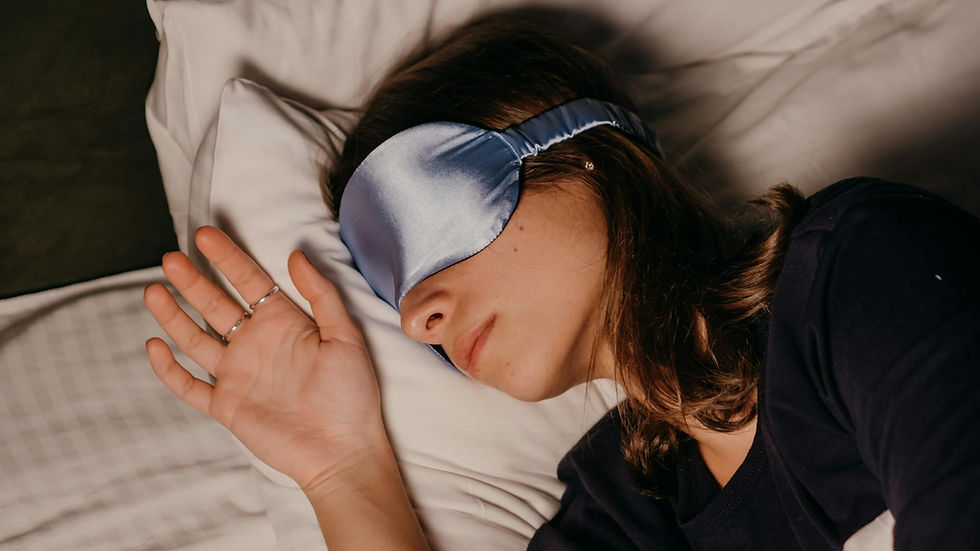
Is that nightly rumble coming from you? While snoring is often dismissed as a harmless (albeit annoying) habit, especially in women, it can be a symptom of a much more serious underlying condition: sleep apnea. Understanding the connection between snoring and sleep apnea in women is crucial for early diagnosis and effective treatment. This article will explore the unique aspects of sleep apnea in women, how it manifests differently than in men, and the importance of seeking professional evaluation if you suspect a problem.
Understanding Snoring: More Than Just a Noise
Snoring is the sound produced when air flows past relaxed tissues in your throat, causing them to vibrate as you breathe. It’s a common occurrence, affecting approximately 40% of adults at least occasionally. While simple snoring might not be indicative of a serious problem, frequent and loud snoring, particularly when accompanied by other symptoms, should raise a red flag.
The Mechanics of Snoring
Snoring happens when the muscles in the back of your throat, tongue, and soft palate relax during sleep. This relaxation narrows your airway, making it more difficult for air to pass through. The constricted airflow causes these tissues to vibrate, producing the characteristic snoring sound. Factors that contribute to snoring include:
Anatomy of your mouth and sinuses: Some individuals have a naturally narrow airway or enlarged tonsils, making them more prone to snoring.
Alcohol consumption: Alcohol relaxes throat muscles, increasing the likelihood of snoring.
Nasal congestion: Allergies or a cold can lead to nasal congestion, forcing you to breathe through your mouth, which increases snoring.
Sleep position: Sleeping on your back can cause your tongue and soft palate to collapse to the back of your throat, obstructing airflow.
Weight: Excess weight, especially around the neck, can contribute to airway narrowing.
When Snoring Becomes a Concern
While occasional snoring is generally not harmful, chronic or loud snoring can disrupt your sleep and the sleep of your partner. More importantly, it can be a sign of obstructive sleep apnea (OSA). It's important to distinguish between primary snoring (snoring that isn't associated with any other health problems) and snoring that is a symptom of OSA. Pay attention to factors like the loudness and frequency of snoring, daytime sleepiness, and other associated symptoms.
Sleep Apnea: A Serious Sleep Disorder
Sleep apnea is a sleep disorder characterized by pauses in breathing or shallow breaths during sleep. These pauses, known as apneas, can occur multiple times per hour, disrupting sleep and depriving the body of oxygen. The most common type is obstructive sleep apnea (OSA), which occurs when the muscles in the back of your throat relax and block the airway.
How Sleep Apnea Affects Breathing
During an apnea event, the flow of air into the lungs is significantly reduced or completely stopped. The brain senses this drop in oxygen levels and briefly awakens the individual to restart breathing. These awakenings are often so brief that the person is unaware of them, but they fragment sleep and prevent the body from entering the deep, restorative stages of sleep.
The Health Risks of Untreated Sleep Apnea
Untreated sleep apnea can have serious consequences for your health, increasing the risk of:
High blood pressure: Sleep apnea can disrupt the body's ability to regulate blood pressure.
Heart disease: The repeated drops in oxygen levels can strain the cardiovascular system.
Stroke: Sleep apnea increases the risk of blood clots, which can lead to stroke.
Type 2 diabetes: Sleep apnea can affect the body's ability to use insulin.
Obesity: Sleep deprivation can disrupt hormone levels that regulate appetite and metabolism.
Accidents: Daytime sleepiness caused by sleep apnea can increase the risk of accidents while driving or operating machinery.
Snoring and Sleep Apnea in Women: What’s Different?
While both men and women can experience sleep apnea, there are some important differences in how it presents and is diagnosed in women. Traditionally, sleep apnea has been considered a predominantly male condition. However, this perception has led to underdiagnosis and undertreatment of sleep apnea in women.
Unique Symptoms in Women
Women with sleep apnea may experience different symptoms than men, making it harder to recognize and diagnose. Instead of loud snoring, women may experience:
Fatigue and excessive daytime sleepiness: This is a common symptom, but women may attribute it to stress or other factors.
Insomnia: Difficulty falling asleep or staying asleep is another common symptom.
Headaches: Morning headaches are a frequent complaint.
Depression and anxiety: Sleep apnea can affect mood and contribute to mental health issues.
Difficulty concentrating: Cognitive impairment can interfere with work and daily activities.
Hormonal Influences
Hormonal changes throughout a woman's life can also affect sleep apnea risk. For example, during menopause, the decrease in estrogen and progesterone can increase the risk of sleep apnea due to changes in upper airway muscle tone and fat distribution. Polycystic ovary syndrome (PCOS) is also associated with an increased risk of sleep apnea.
Diagnostic Challenges
Women are often less likely to report snoring than men, which can make it harder for healthcare providers to identify sleep apnea as a possible diagnosis. Furthermore, the diagnostic criteria for sleep apnea are often based on studies primarily conducted on men, which may not accurately reflect the experiences of women.
How to Determine if Snoring is Sleep Apnea
If you are a woman who snores, it's important to be aware of the other symptoms of sleep apnea and to seek professional evaluation if you have concerns. Don't dismiss snoring as merely a nuisance; it could be a sign of a more serious health issue.
Self-Assessment and Partner Observations
Start by paying close attention to your sleep patterns and any associated symptoms. Ask your partner to observe you while you sleep and note if you:
Stop breathing or gasp for air during sleep.
Snore loudly and frequently.
Toss and turn in your sleep.
Also, consider whether you experience any of the following:
Excessive daytime sleepiness.
Morning headaches.
Difficulty concentrating.
Mood changes or irritability.
Professional Evaluation
If you suspect you may have sleep apnea, it's essential to consult with a healthcare provider. They may recommend a sleep study, also known as polysomnography, to monitor your breathing, heart rate, and brain activity during sleep. This test can confirm a diagnosis of sleep apnea and determine its severity. A home sleep apnea test (HSAT) may also be an option for some individuals, offering a more convenient way to monitor sleep in their own bed.
Treatment Options for Sleep Apnea
The good news is that sleep apnea is a treatable condition. The treatment options vary depending on the severity of the condition and individual needs.
Lifestyle Modifications
For mild cases of sleep apnea, lifestyle changes may be sufficient to improve symptoms. These include:
Weight loss: Losing even a small amount of weight can reduce airway obstruction.
Avoiding alcohol and sedatives: These substances can relax throat muscles and worsen sleep apnea.
Sleeping on your side: This position can help prevent the tongue and soft palate from collapsing to the back of the throat.
Elevating the head of your bed: This can help reduce snoring and improve airflow.
Medical Treatments
For more severe cases of sleep apnea, medical treatments may be necessary. The most common and effective treatment is continuous positive airway pressure (CPAP) therapy. CPAP involves wearing a mask over your nose and mouth while you sleep, which delivers a constant stream of air to keep your airway open. Other treatment options include oral appliances, which are custom-fitted mouthpieces that help keep the airway open, and surgery, which may be considered in certain cases to remove excess tissue or correct structural abnormalities.
Taking Action for Better Sleep and Health
Understanding the connection between snoring and sleep apnea in women is the first step towards improving your sleep and overall health. Don't ignore your symptoms or dismiss them as simply being tired. Early diagnosis and treatment of sleep apnea can significantly reduce your risk of developing serious health problems and improve your quality of life.
Advocate for Your Health
If you are concerned about snoring and sleep apnea, be proactive in seeking medical advice. Talk to your doctor about your symptoms and ask about getting a sleep study. Don't hesitate to seek a second opinion if you feel your concerns are not being adequately addressed. Remember, your health is worth the effort.
Improved Quality of Life
Treating sleep apnea can have a profound impact on your quality of life. You may experience:
Increased energy levels.
Improved concentration.
Better mood.
Reduced risk of health problems.
Taking control of your sleep health can lead to a happier, healthier, and more fulfilling life.
In conclusion, snoring in women can be more than just a nightly nuisance; it can be a significant indicator of sleep apnea, a condition often underdiagnosed in women due to differing symptom presentations and diagnostic biases. Recognizing the unique symptoms women experience, advocating for thorough medical evaluations, and understanding available treatment options are crucial steps towards achieving better sleep and preventing the long-term health risks associated with untreated sleep apnea. If you suspect you might have sleep apnea, consult with a healthcare professional to explore testing and treatment options. Don't let snoring disrupt your health and well-being – take action today for a better night's sleep and a healthier tomorrow.


Comments