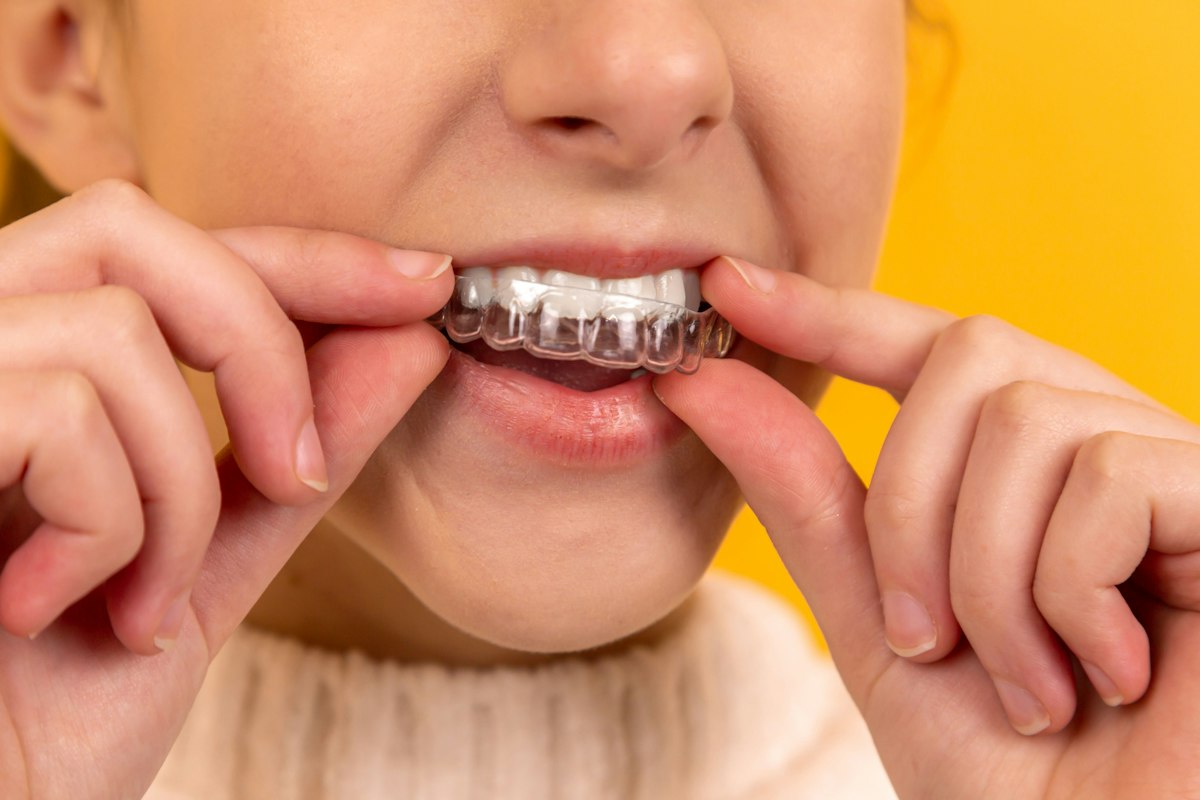

Mandibular advancement devices (MADs) are among the most effective non-surgical treatments for snoring and mild to moderate obstructive sleep apnea. But like any medical device that repositions the jaw during sleep, they can produce side effects — and some devices carry a higher risk than others. SnoreRx, one of the most widely marketed MADs in the United States, has a specific side effect profile that users should understand before purchasing. Snorple is not affiliated with, endorsed by, or connected to SnoreRx or Apnea Sciences Corporation. SnoreRx is a registered trademark of Apnea Sciences Corporation. All product information is based on publicly available data.
This guide covers the most commonly reported SnoreRx side effects, what the clinical literature says about MAD-related complications, what dentists and sleep specialists recommend, and how to minimize your risk with any anti-snoring mouthpiece.
How Mandibular Advancement Devices Cause Side Effects
To understand why MADs produce side effects, it helps to understand what they do mechanically. A mandibular advancement device holds the lower jaw (mandible) in a forward position during sleep. This forward positioning pulls the tongue base and soft tissues away from the back of the throat, widening the airway and reducing or eliminating the tissue vibration that produces snoring.
The jaw is connected to the skull by the temporomandibular joint (TMJ), a complex hinge-and-slide joint that allows the jaw to move in multiple directions. When a MAD holds the jaw forward for 6 to 8 hours every night, it places sustained stress on the TMJ, the muscles of mastication (chewing muscles), the teeth, and the periodontal ligaments that hold the teeth in place. This is why TMJ concerns with anti-snoring devices are a legitimate clinical consideration.
Most of these stresses are well tolerated by healthy individuals, and the side effects they produce are typically temporary and mild. However, device design matters. Larger, bulkier mouthpieces distribute forces differently than slimmer designs, and the degree of jaw advancement has a direct relationship with both effectiveness and side effect severity.
Common SnoreRx Side Effects
Jaw Pain and Soreness
Jaw pain is the most frequently reported side effect of SnoreRx and MAD devices in general. Users commonly describe a dull ache in the jaw muscles upon waking, particularly during the first one to two weeks of use. This is similar to the soreness you might feel after a dental procedure that required holding your mouth open for an extended period.
With most MADs, jaw soreness diminishes significantly after the initial adaptation period as the muscles and joint adjust to the new resting position. However, SnoreRx reviewers report jaw pain persisting beyond the typical adjustment window more often than users of slimmer devices. This may be related to the overall size of the SnoreRx appliance, which requires the mouth to accommodate a larger volume of material. For a broader look at this issue, see our guide on snoring mouthpiece jaw pain.
TMJ Aggravation
For individuals with existing temporomandibular joint disorder (TMD), any MAD carries a risk of symptom aggravation. The TMJ is already compromised in these individuals, and the sustained forward positioning imposed by a mouthpiece can increase joint inflammation, clicking, popping, and pain.
The American Academy of Dental Sleep Medicine (AADSM) recommends that patients with active TMD symptoms consult with a dentist experienced in sleep medicine before using any mandibular advancement device. This is not a SnoreRx-specific warning — it applies to all MADs — but the larger profile of SnoreRx may present a higher risk for TMJ-sensitive individuals compared to slimmer alternatives.
Bite Changes (Occlusal Shifts)
Long-term MAD use can produce subtle changes in how the upper and lower teeth come together (occlusion). Research published in dental sleep medicine journals has documented that some MAD users experience a slight forward shift in their bite over months or years of nightly use. These changes are typically minor and may not be noticeable to the user, but they are measurable by a dentist.
The clinical consensus is that bite changes associated with MAD therapy are generally mild and often partially reverse if the device is discontinued. However, the risk increases with higher degrees of jaw advancement and with devices that lack precise adjustability. Understanding your snoring and dental health relationship is important context for this side effect.
Excessive Salivation
Having a foreign object in the mouth during sleep triggers the salivary glands to produce more saliva. This is a natural reflex and occurs with virtually all oral appliances. Most users find that excessive salivation resolves within the first few nights as the body adjusts. Some SnoreRx users report that the larger device triggers a more pronounced salivary response than smaller mouthpieces.
Tooth Soreness and Gum Irritation
MADs grip the teeth to hold the jaw in position, which means the teeth and surrounding gums bear the forces of advancement. Tooth soreness — particularly in the front teeth — is common during the first week of use. Gum irritation can occur if the device edges are rough or if the boil-and-bite fitting process does not produce a smooth, well-adapted surface.
FDA MAUDE Database: Adverse Event Reports
The FDA Manufacturer and User Facility Device Experience (MAUDE) database is a publicly accessible repository of adverse event reports for medical devices. Healthcare providers, manufacturers, and consumers can submit reports of device-related injuries, malfunctions, and deaths.
A search of the MAUDE database for SnoreRx-related reports reveals entries consistent with the side effects described above: jaw pain, difficulty with the fitting process, and discomfort that prevented continued use. While MAUDE reports do not establish causation and represent a small fraction of total users, they provide an additional data point for consumers evaluating the safety profile of any medical device.
It is worth noting that adverse event reporting is voluntary for consumers and healthcare providers (though mandatory for manufacturers), so the MAUDE database likely underrepresents the true incidence of side effects for all devices, not just SnoreRx.
Why Device Size Matters for Side Effects
The physical dimensions of a mandibular advancement device have a direct relationship with the likelihood and severity of side effects. A larger mouthpiece requires the jaw to open wider to accommodate the device material, which increases the baseline stretch on the TMJ and masticatory muscles before any forward advancement is applied.
Think of it this way: if your jaw is already working to stay open around a bulky appliance, the additional stress of forward advancement is compounded. A slimmer device that sits closer to the natural dental arch places less total demand on the jaw system, reducing the cumulative load on the TMJ and surrounding structures.
This is one reason why dental sleep medicine specialists increasingly favor thinner, lower-profile MAD designs for their patients. The Mayo Clinic notes that oral appliance therapy should be overseen by a dental professional who can ensure proper fit and monitor for side effects over time.
What Dentists Recommend for MAD Side Effects
If you experience side effects from SnoreRx or any mandibular advancement device, dental sleep medicine professionals generally recommend the following approach.
Start with minimal advancement. Begin with the lowest effective jaw advancement setting and increase gradually over days or weeks. Aggressive initial settings are the most common cause of avoidable jaw pain. If your device offers micro-adjustability, use it — small increments make a significant difference in tolerance.
Dental professionals also recommend performing jaw exercises each morning after removing the device. Simple exercises — opening and closing the jaw slowly, shifting the jaw side to side, and gently biting down on a soft object — help reset the jaw position and reduce morning soreness. For specific exercises, see our how to stop snoring guide.
Monitor for persistent symptoms. Mild soreness during the first 7 to 10 days is normal and expected. Pain that persists beyond two weeks, worsens over time, or is accompanied by TMJ clicking, locking, or limited jaw opening warrants a dental evaluation. Do not push through significant pain — it may indicate that MAD therapy is not appropriate for you without professional supervision.
Consider a dental sleep apnea screening before starting any MAD therapy, particularly if you have a history of TMJ problems, bruxism, or dental work that may affect how the device fits and functions.
How to Minimize Side Effects with Any Mouthpiece
Regardless of which MAD you choose, the following strategies can help minimize side effects and improve your experience during the adjustment period.
- Follow the fitting instructions precisely. A properly fitted device distributes forces evenly across the dental arch. A poorly fitted device concentrates pressure on individual teeth, increasing soreness and the risk of tooth movement.
- Use the lowest effective advancement. More advancement does not always mean better results. Find the minimum forward position that controls your snoring and stay there.
- Clean the device daily. Bacterial buildup on the appliance can cause gum irritation and bad breath. Use a soft toothbrush and mild soap or a denture cleaning tablet.
- Replace the device on schedule. MADs wear out over time. Material degradation can change the fit and force distribution, increasing the risk of side effects. Most over-the-counter devices should be replaced every 6 to 12 months.
- Choose a slim-profile device. If you are sensitive to having objects in your mouth or have a smaller jaw, a thinner mouthpiece will generally be better tolerated than a bulkier one.
When to Consider an Alternative
If you have tried SnoreRx and experienced persistent jaw pain, TMJ aggravation, or comfort issues that prevented consistent use, it may be worth exploring an alternative device rather than concluding that MAD therapy does not work for you. The technology works — but device design significantly affects tolerability.
Snorple offers a slimmer profile than SnoreRx while combining both MAD and TSD (tongue stabilizing device) technology. The dual-mechanism approach means the device does not need to rely solely on aggressive jaw advancement to open the airway, which can reduce the degree of advancement required and, consequently, the stress placed on the TMJ. To see how SnoreRx compares across multiple dimensions, visit our mandibular advancement device comparison for 2026.
For an honest look at what real buyers have experienced, read our analysis of what 2,000+ SnoreRx customer reviews reveal.
Ready to Stop Snoring Tonight?
The Snorple mouthpiece uses dual MAD + TSD technology to open your airway from night one. Clinically proven to reduce snoring. 100-night money-back guarantee.
Fix Your Sleep Tonight — $59.95 →Recommended Reading
- TMJ and Anti-Snoring Devices — What you need to know about jaw health
- Snoring Mouthpiece Jaw Pain — Causes, prevention, and solutions
- Snoring and Dental Health — How your mouth affects your sleep
- Is SnoreRx Worth It? — Data-driven review analysis from 2,000+ customers